Cursus Victoria · Program 00 · 2027 · Now accepting applications

Zero to hero.

In 2027 we take people with nothing and send them at people with everything. In politics. In business. In security. The best engineers we know, the best minds we can find, the best machines ever built, and more work than you have ever done. Most people should not apply.

Applications close
11.30.2026 · 11:59 pm ET
Time left
November 30
Fields
Politics · Business · Security
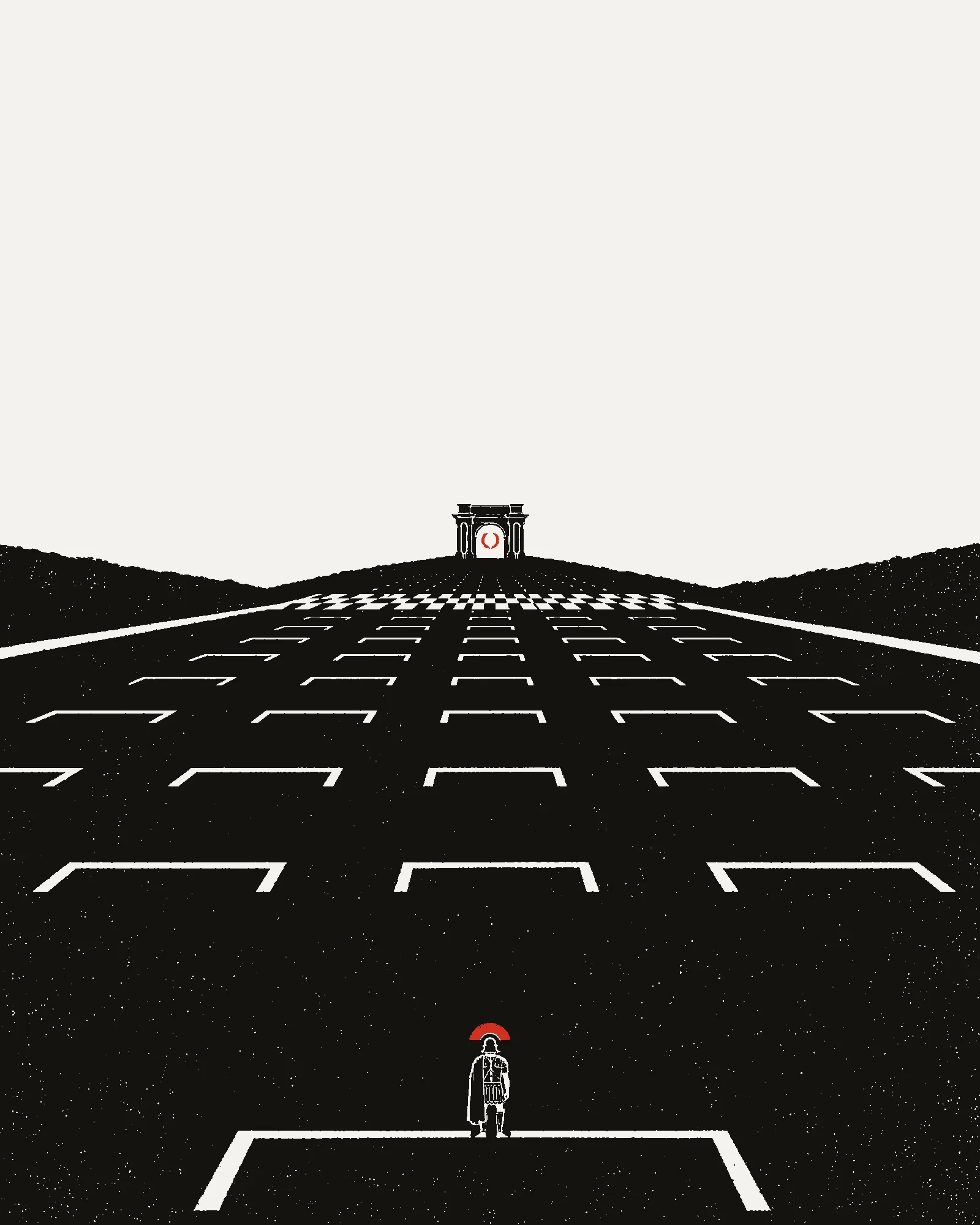
Poster of a lone Roman legionary standing at the very back of an enormous empty starting grid, a triumphal arch tiny on the horizon

Why 2027

Everyone knows what can't be done. Nobody has checked.

A broke unknown cannot win a seat in Congress. A shop with no money cannot beat the chain down the road. Three people cannot guard what a whole department guards. Everybody says so. Ask them when they last tried.

They have not. Those rules were written when a letter took a secretary, a call list took a staff, and watching a network took a room full of people on shifts. That world is gone and nobody went back to redo the math.

2027 is the year we redo it. Not on paper. With real people who start at zero, where anyone can watch the score. We start them at zero on purpose. If it works from there, nobody gets to say it was the money.

Poster of a lone legionary planting a checkered standard at the edge of a cliff, the known world behind him and unprinted ground ahead

Where we are doing it

Politics first. Then everything else.

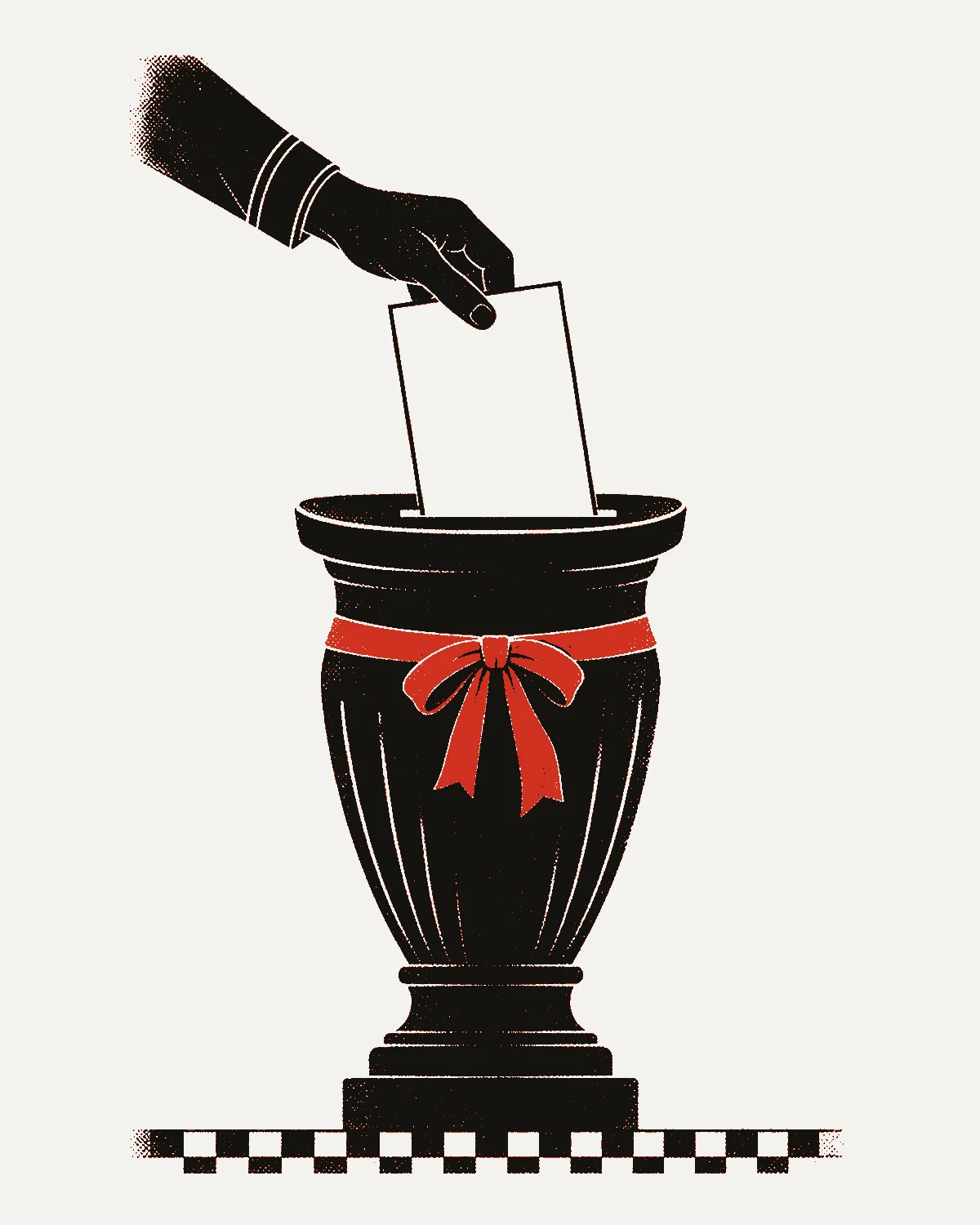
Poster of a hand dropping a voting tablet into a Roman urn

Open nowField 01

Politics

A nobody with no money against a sitting member of Congress. 3,083 have tried it and one won. We picked it first because the odds are the worst we could find and nobody can fake the result. House, Senate, and one candidate for President.

Apply by 11.30
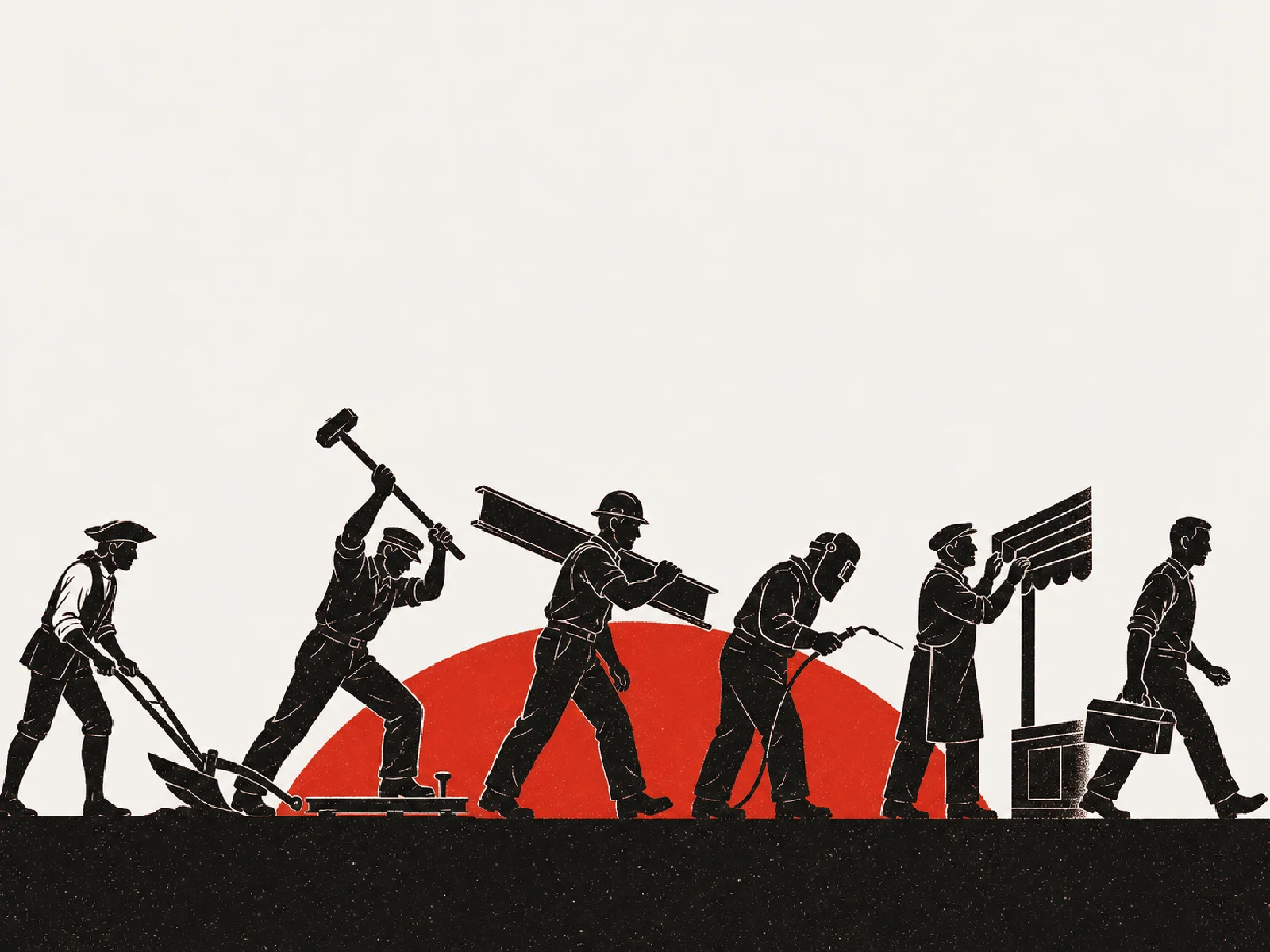
Poster of a procession of American workers marching before a rising sun

Field 02

Business

No capital. No staff. A competitor down the road with both. We want to see what happens when one owner has machines doing the work of the twenty people they could never afford to hire.

Put your name forward
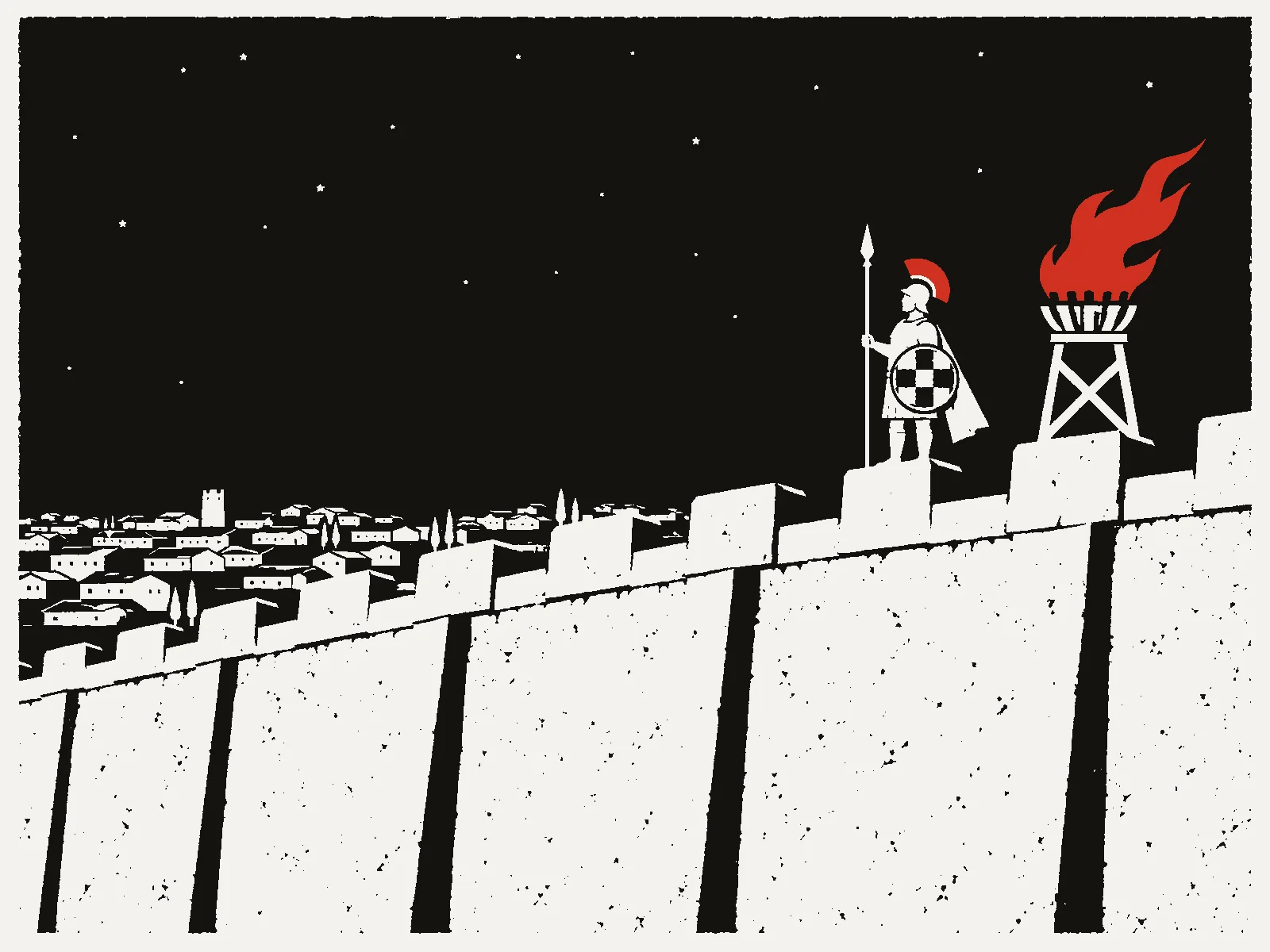
Poster of a single sentinel on a long wall at night beside a red signal beacon, a sleeping town below

Field 03

Security

It used to take a room full of people on shifts to keep watch over one organization. We think a handful can do it now and miss less. We intend to prove it somewhere a miss would cost something.

Put your name forward

Field 04

Yours

Somewhere in your line of work there is a thing everyone says cannot be done. Tell us what it is, and why they are wrong.

Tell us

Politics has a deadline: 11.30. For anything else, write to us today. Either way you start at zero.

What you get

You bring the will. We bring the rest.

I

The best engineers

The people who built the machine. They sit in your interview, and afterward your problem lands on their desk, not in a ticket queue.

II

The best thinkers

People who start from what is true instead of what is usual. They will take your plan apart in front of you. You will hate it. Then you will use what is left.

III

The best technology

Agents that do the work of a staff you cannot pay. Letters written by a machine holding a real pen. Data people at your level have never been allowed to see.

IV

Relentless commitment

We do not quit on people. Not when it is slow, not when it is ugly, not when you are behind. We will still be there when you want to stop. That is the part to worry about.

One win is luck.

We are here to make it normal.

Read this before anything else

This will be the hardest thing you have ever done.

It will not be easy in any sense of the word. We are not softening that so more people apply. We would rather you close this page now than quit in week three.

Zero to Hero is for people who want nothing more than to bring about change in America, whether that starts with a seat in Congress or a shop on Main Street, and who are willing to be unknown, broke and exhausted while they earn the right to try.

  1. 01

    Long hours

    Your nights go first. Then your weekends. Then the hours you thought were not for sale.

  2. 02

    Work nobody sees

    Calls nobody returns. Doors that stay shut. Rooms with six chairs and four of them empty.

  3. 03

    The truth about you

    You will be told plainly what is wrong with how you look, how you sound and how you ask.

  4. 04

    No proof it is working

    You will do all of it again tomorrow, still at zero, with nothing yet to show for it.

Do not apply

If you want the title

A following. A consultant to do it for you. A reason to say you ran. A shortcut. There is not one, and we are not one.

Apply

If you want the change

And you would rather be told the truth and worked to the bone than be flattered and lose in the dark like everyone before you.

Field 01 · Politics · The base rate · U.S. House · 1992 to 2026

3,083 tried. One won.

A true longshot who challenged a sitting member and lost The one who won

From 1992 through the 2026 midterms, 3,083 true longshots challenged a sitting member of the United States House. One of them won. That is 0.03 percent.

A true longshot is exactly who the politics class is for: someone who has never held office, is not famous, did not beat an officeholder in the primary, and raised under $200,000 in today's dollars.

The one is LaKesha Womack, North Carolina's 14th, November 2026. About $59,000 against $2.1 million. She won 51.1 to 48.9 inside a wave nobody could have planned. Before her, the record was 0 for 2,905.

0 of 244

Open seats

True longshots who won a seat with no incumbent in it.

0 of 1,941

Under $50,000

Challengers who raised less than that and beat a sitting member.

2 of 2,671

Primaries

Underfunded amateurs who took out a sitting member of their own party, 1992 to 2020.

0

The Senate

Winners we could find since 2010 who started with no office, no fame and no money.

And the presidency

Five Powerball jackpots. In a row.

Treat the White House as the twelve largest states, each won at the House longshot rate, and the odds come to about 1 in 7.4 × 1041. That is a toy model. The real race is one campaign, not twelve, and it is not kinder. No unknown without office or money has won a modern presidential election. We are taking one anyway.

Being unknown is not what sinks them.

Having nothing almost always does.

We are not going to tell you these odds are good. We are going to find out what they become when someone attacks them properly. That is the whole experiment, and you would be the subject of it.

What the few who made it had

Nobody did it alone. Nobody did it clean.

Filing a form did nothing for any of them. Almost every one had at least two of three things.

  • An organization that recruited, trained and staffed them.
  • A contrast that made the person in the seat look absent or out of touch.
  • A wave they could position for and could not plan.

And winning once settled nothing. At least eleven of the winners we studied lost their next race or the one after.

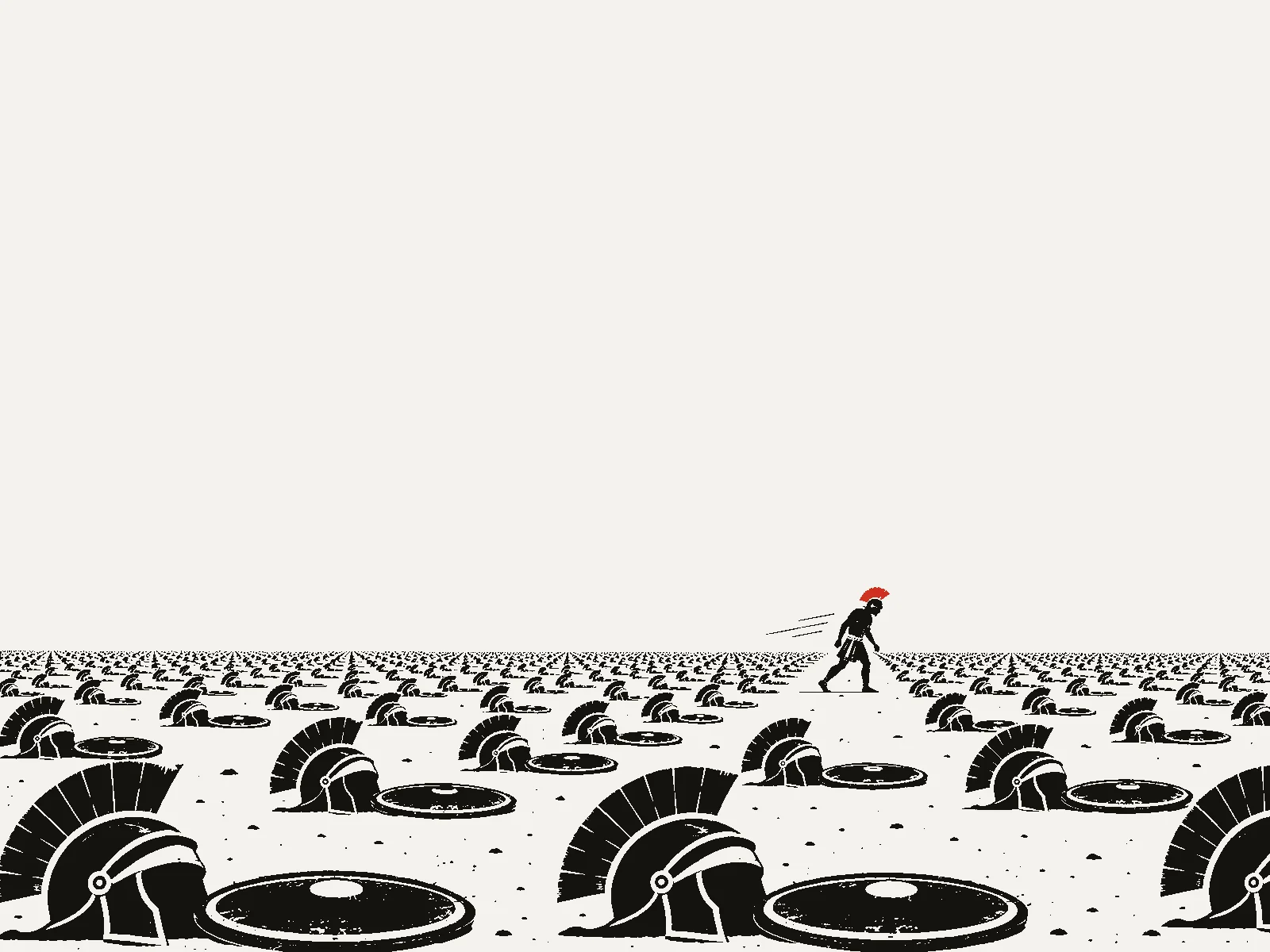
Poster of a vast field of abandoned Roman helmets and shields, with one legionary still on his feet
New York 14th · 2018

Ocasio-Cortez

$60,000 in the bank at the end of 2017. Volunteers collected 5,480 petition signatures against 1,250 required. Outspent at least 10 to 1.

Virginia 7th · 2014

Brat

About $206,000 raised. Outspent roughly 41 to 1 by the House Majority Leader. Won on one contrast: he was never there.

Colorado 3rd · 2020

Boebert

$19,000 at the end of 2019. One confrontation on camera came first. Then she beat a five-term incumbent.

North Carolina 14th · 2026

Womack

$275 at year end. No ad budget. An event every day and a room that already knew her before the paperwork.

The method · Three stages, in this order

You do not get to skip to the part you think you are good at.

These three come in this order no matter what you are trying to do. We wrote them out for politics because that is the hardest version.

Stage 01 · Presence

First we make you look like someone who can win.

Voters, donors and reporters decide in seconds whether you are serious. Right now nothing about you says you are.

So the program starts with you. How you stand. How you sound. What your name returns when someone searches it. What is actually different about you, and how you present that difference without apologizing for it. You must come across as capable of winning before a single person will risk their name on you.

We handle this part. You show up, you take the notes, you do it again.

  • The difference. The one fact about you nobody else in the race can claim.
  • The contrast. One line that makes the weakness of the person in the seat obvious.
  • The picture. Site, photographs, video and voice built to look like a winner on day one.
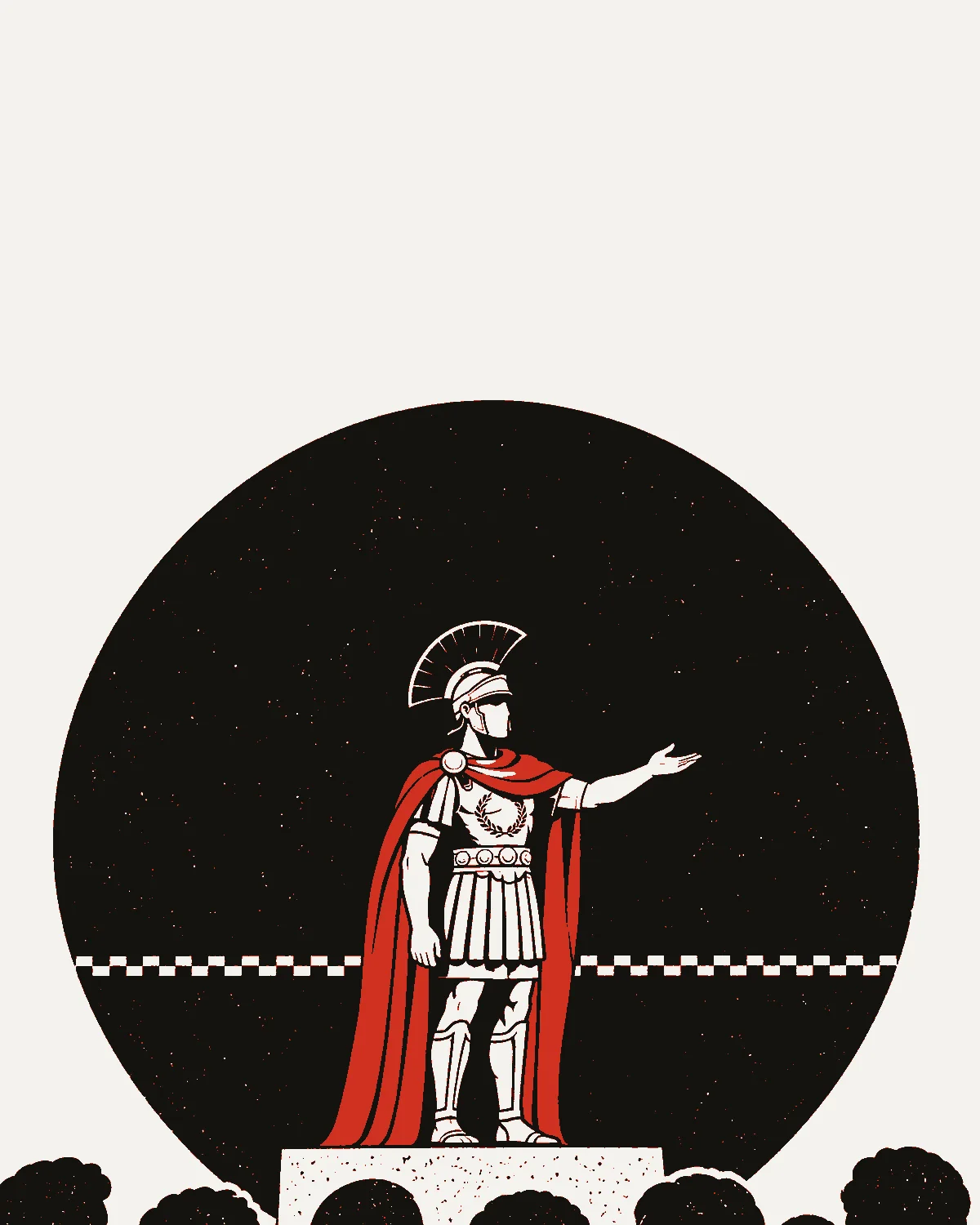
Poster of a legionary in a red cloak standing straight on a speaker's platform, one arm extended to a crowd

Stage 02 · Network

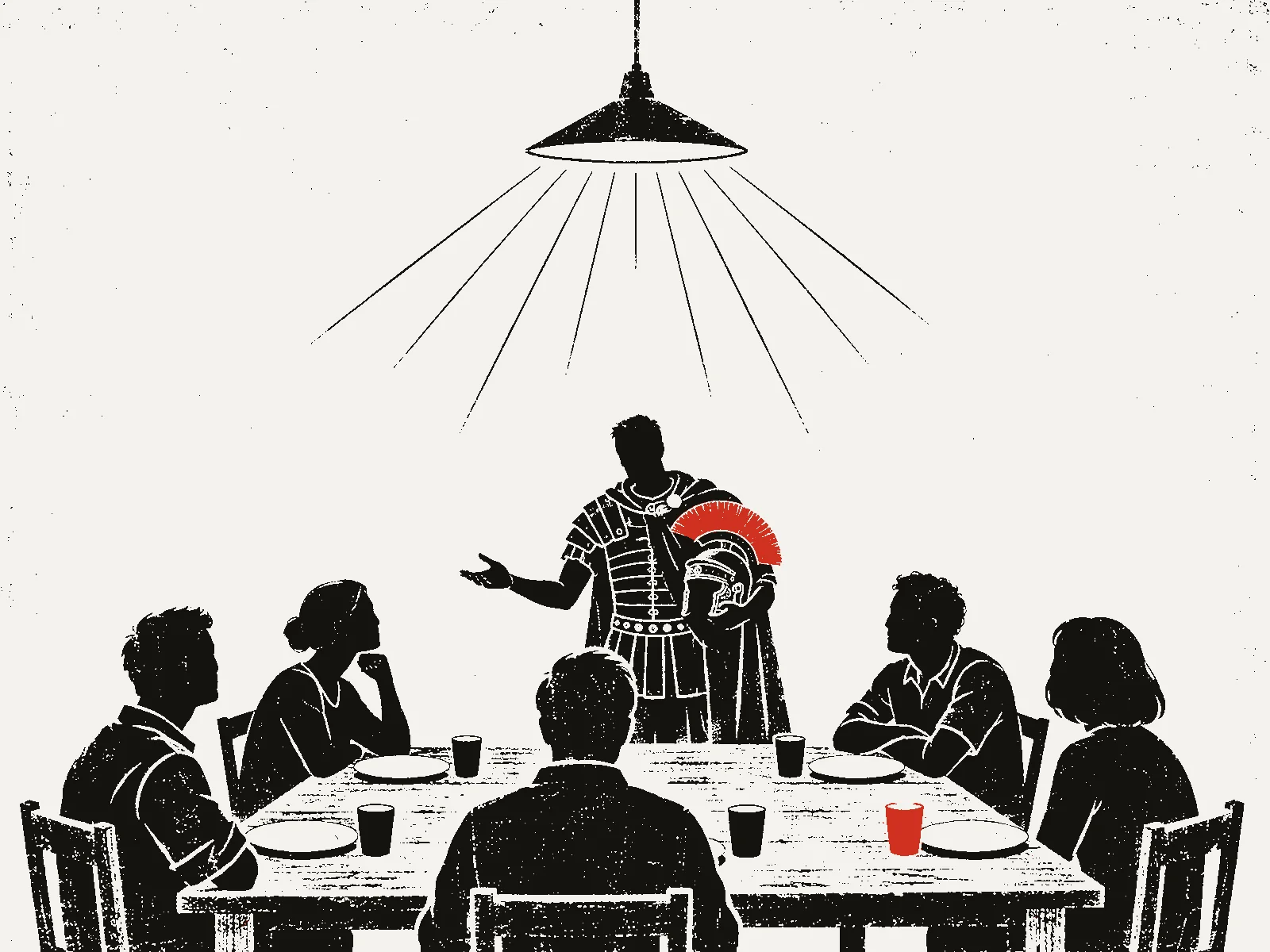
You are not too good for a dinner with five people.

That is five more than you have right now. You are literally at zero.

To be taken seriously you must have a network, and a network is not a following. It is people who will vouch for you, hand you $25, open their living room, carry a petition and introduce you to the next ten. Nobody builds that from strangers on the internet. Online reach raises money. It does not walk a precinct.

You build it at tables. Small ones. One after another, until ten to twenty respected people from one world in your district are willing to do four things for you.

01

Give first

02

Host a room

03

Make introductions

04

Lend their name

Fifteen people who each bring fifteen is a founding donor list. That list is the proof. Without it you do not have a network. You have a committee.

Poster of a legionary standing at the head of a plain table, speaking to five seated people under a single lamp

Stage 03 · Everything else

Then comes everything else.

Only once you look like a winner and have people behind you does the rest of a campaign start to mean anything.

A

A race you can win

A sitting member who has drifted from the district, an open seat, or a nomination in a seat that flips in a wave. Never a neutral-year general against a 65 percent incumbent.

B

A donor count, not a check

Insurgent winners raised 52 to 64 percent of their individual money in gifts under $200. The incumbents they beat raised 2.5 to 15 percent that way.

C

One defining contrast

Earn press from a single line the district already half believes. One. Not a platform.

D

Be physically everywhere

Ballot petitions are the first field test. Over-collect. An event every day costs nothing but you.

E

Every report on time

A professional treasurer from day one. Party staff and reporters read the filings. Filing late makes you look fake.

F

Endorsements in order

Local figures, then one organization, then a national name. The big lists ratify people who already have money. They do not launch them.

G

Vet yourself first

Everything an opponent can find, we find before they do. A fast rise with a buried problem ends in one news cycle.

H

The machine

Every move above used to take staff you cannot afford. That is the part we think has changed, and it is the reason this program exists.

See the Machine

Field 01 · Politics · The clock · 2027, aiming at 2028

The work is the next few months. Not the fall of 2027.

The early marks below are drawn from the campaigns that won, not from any rule. The last one is a gate.

Now to January 2027

Stand up

Pick the race. Hire the treasurer. File on time. Small-dollar page live. Opposition research on yourself. Ten to twenty respected people from one network around a kitchen table.

February to June 2027

The founding list

Dozens of house parties in the district. The first local endorsements. An early mark of $25,000 to $60,000 from 500 or more donors on the July 15 report.

July to September 2027

Go public

One contrast. A local press profile built on the donor count, not the dollar total. About a hundred volunteers. One paid professional once cash allows.

By December 31, 2027

The gate

$100,000 and ideally a thousand donors on the year-end report. Ballot signatures over-collected. An organization or a known official on the record.

Miss the gate

Stop

Under $25,000, under 300 donors and no endorsements puts you with the 801 underfunded House challengers whose median at that point was $2,700. The honest move is to stop and win something local first. We will say so.

Selection · Applications close 11.30

Almost nobody gets in.

In politics: candidates for the House, candidates for the Senate, and one candidate for President. In every field: acceptance is contingent on interviews with Cursus Victoria engineers and managers.

01

The assessment. Where you stand today.

02

We read your record and your filings.

03

Interviews with our engineers and managers.

04

The class is named.

House
Candidates accepted
Senate
Candidates accepted
1
Candidate for President

Applications close 11.30.2026 · November 30

Start at zero.

For politics, the application is the assessment. It measures exactly where you are standing tonight: your name, your people, your money, your hours. About fifteen minutes. Saved on this device as you go. For anything else, write to us.

Figures are Cursus Victoria's analysis of FEC records and the Roberds and Roberts and Porter and Treul House candidate studies, extended through 2026. Results for 2026 are unofficial and about twenty House races were uncalled when this was written. Prior office was not fully coded for 2024 and 2026, so those longshot counts run slightly high. Nothing on this page is a promise of any outcome.